Sri Lanka’s Eastern Coast: Where the Island Meets the Sunrise
There is another side of Sri Lanka waiting beyond the familiar beaches of the south and west.
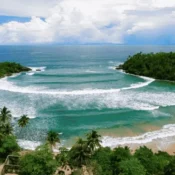
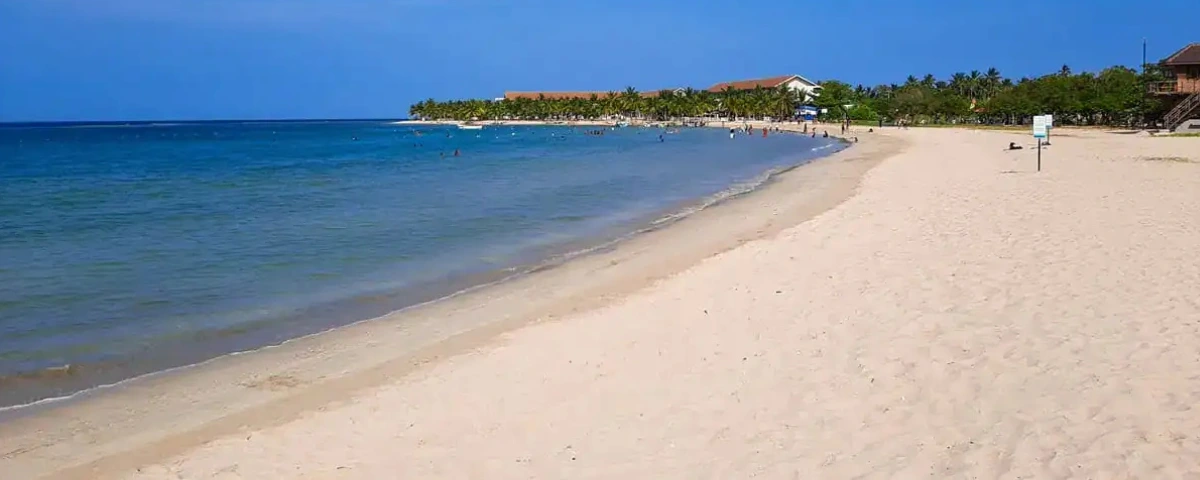
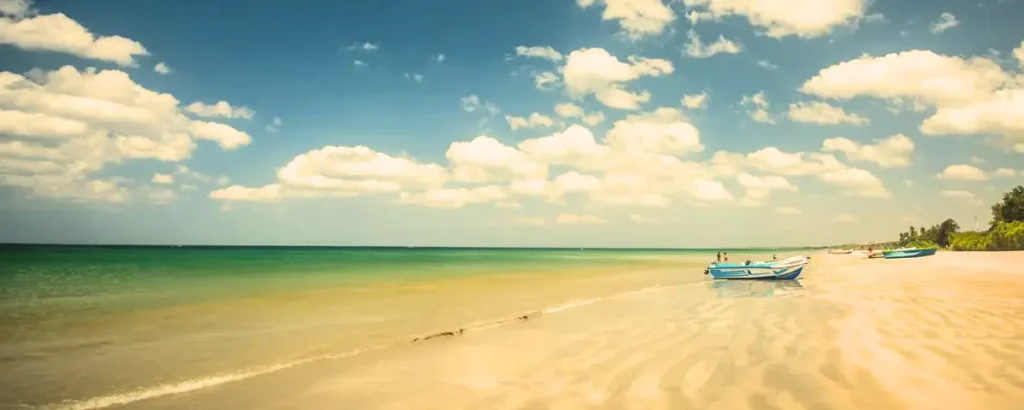
On the island’s eastern shores, the days begin with the sun rising over the Indian Ocean. Long stretches of golden sand meet turquoise water, fishing boats rest beneath coconut palms, and life moves at a slower, more peaceful rhythm.
From the white sands of Nilaveli and the calm, shallow waters of Pasikuda, to the legendary waves of Arugam Bay, Sri Lanka’s East Coast offers remarkably different experiences within one coastline.
It is a region of beaches, wildlife, ancient temples, seafood, lagoons, surfing villages and welcoming communities—and one of the best places in Sri Lanka for travellers looking for a combination of relaxation, adventure and authentic local experiences.
Sri Lanka Tourism itself describes the eastern region as a place of lush paddy fields, spectacular sunrises, pristine waters and a quieter rural pace of life.
Where Is the East Coast of Sri Lanka?
Sri Lanka’s East Coast stretches along the Bay of Bengal and the Indian Ocean, with several distinct destinations rather than one continuous resort area.
For travellers, the most important areas are:
| Destination | Best known for | Ideal for |
|---|---|---|
| Trincomalee | Natural harbour, culture & beaches | First-time visitors |
| Uppuveli | Relaxed beach atmosphere | Couples & families |
| Nilaveli | White sand & Pigeon Island | Swimming & snorkelling |
| Pasikuda | Calm, shallow turquoise waters | Luxury beach holidays |
| Kalkudah | Long, quieter beaches | Peace & relaxation |
| Batticaloa | Lagoon, culture & seafood | Authentic experiences |
| Arugam Bay | World-famous surfing | Surfers & younger travellers |
| Pottuvil | Beaches, lagoons & nature | Nature lovers |
| Kumana | Wildlife & birdlife | Safari enthusiasts |
The Best Beaches on Sri Lanka’s East Coast
1. Nilaveli Beach – The Classic Tropical Escape
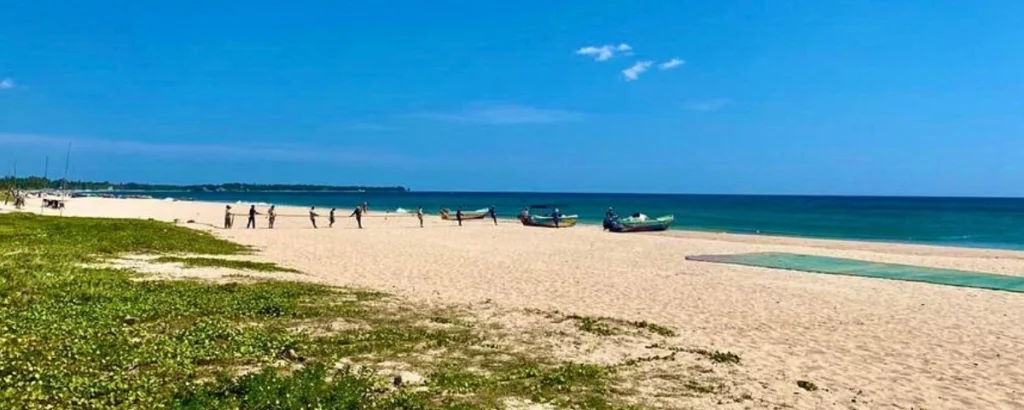
If your idea of a Sri Lankan beach is powder-soft sand, clear water and coconut palms, Nilaveli is one of the first places to consider.
Located north of Trincomalee, Nilaveli has a spacious, peaceful character. The beach is particularly attractive for travellers who want time to swim, walk barefoot along the shoreline or simply enjoy a slow afternoon beside the Indian Ocean.
Sri Lanka Tourism describes Nilaveli as a pristine beach with white sand and gentle waves.
Don’t miss:
- Early-morning beach walks
- Swimming when sea conditions are suitable
- Sunset walks
- Pigeon Island excursion
- Snorkelling and diving
- Whale and dolphin watching
2. Uppuveli Beach – Easygoing & Convenient
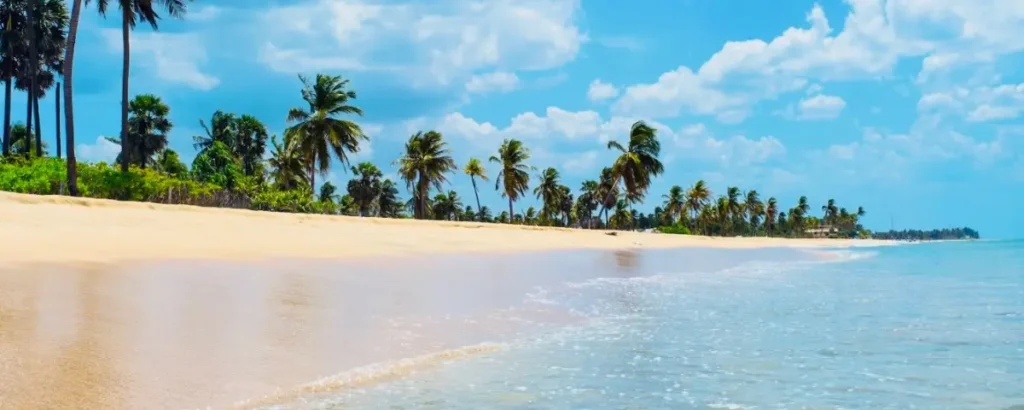
Closer to Trincomalee, Uppuveli offers a slightly more lively atmosphere than Nilaveli while retaining its tropical character.
It is particularly convenient for travellers who want beach time combined with sightseeing. Trincomalee’s historic sites, restaurants and cultural attractions are close by.
Uppuveli and Nilaveli are also among the principal locations for diving, snorkelling and swimming in the Trincomalee area.
3. Pasikuda – The Beach for Calm Waters
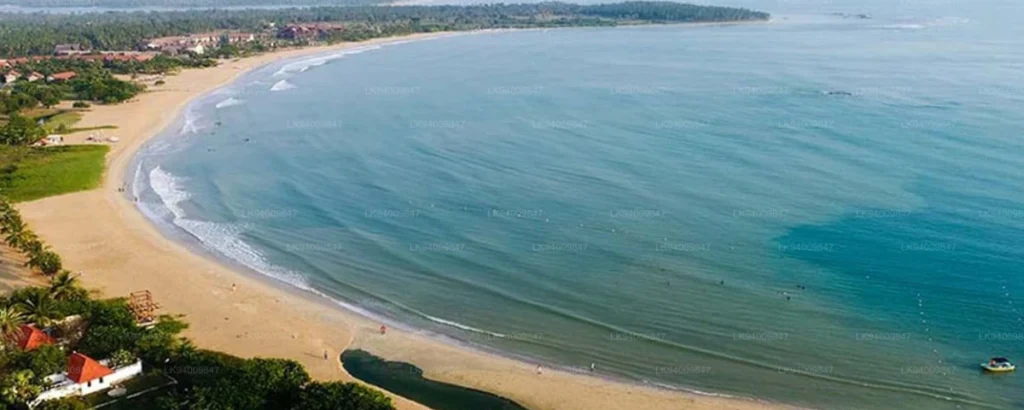
Pasikuda is one of the East Coast’s most distinctive beaches.
Its broad bay is famous for exceptionally shallow, calm water, making it particularly attractive to families, couples and travellers who simply want to spend several days doing very little.
The beach is also well suited to water activities such as kayaking, snorkelling, diving and boating.
Our recommendation: If your priority is a comfortable luxury beach resort with calm sea and plenty of relaxation, Pasikuda is one of the strongest choices on the East Coast.
4. Kalkudah – For a Quieter Beach Experience
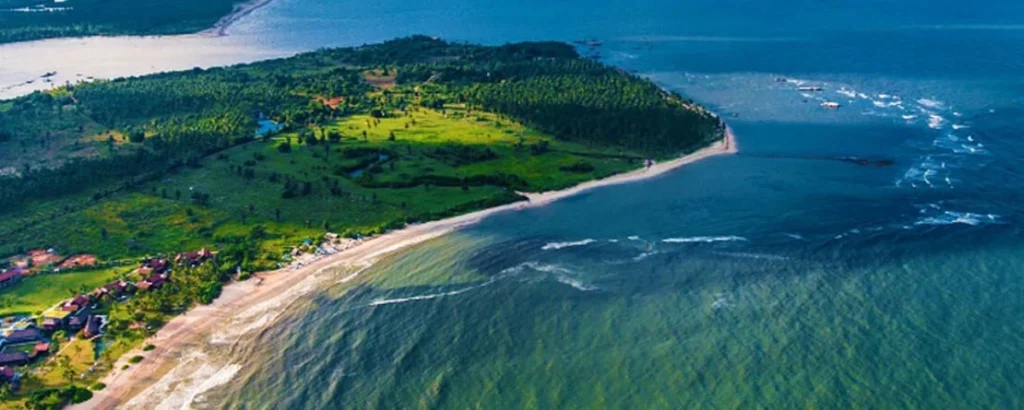
Immediately beside Pasikuda is Kalkudah, offering a more relaxed and less developed coastal atmosphere.
The two areas can easily be combined, but Kalkudah is particularly appealing to travellers looking for long walks, quiet beaches and fewer distractions.
5. Arugam Bay – Sri Lanka’s Surfing Capital

Arugam Bay is completely different from Nilaveli and Pasikuda.
Here the focus is on surf, cafés, beach culture and adventure.
The bay has become internationally famous for surfing and attracts both experienced surfers and beginners. Beyond the main surf breaks, the surrounding area offers lagoons, wildlife, temples, villages and long stretches of undeveloped coastline.
Sri Lanka Tourism describes Arugam Bay as one of the country’s leading surfing destinations.
For non-surfers, it is still worth visiting for the relaxed atmosphere and surrounding nature.
When Is the Best Time to Visit Sri Lanka’s East Coast?
This is one of the most important things to understand when planning a Sri Lankan beach holiday.
Sri Lanka is a year-round destination—but not every coast has its best beach weather at the same time.
When the southwest monsoon affects the western and southern parts of the island, the eastern coastline generally enjoys its better beach season.
Sri Lanka Tourism identifies May to September as the period when the dry-zone destinations, including Trincomalee and Arugam Bay, are particularly favourable.
Our practical recommendation:
Best overall period: May to September
Excellent beach months:June, July & August
Good shoulder period: May and September
More changeable: October–November
During the East Coast season, visitors can generally expect plenty of sunshine, warm temperatures and favourable beach conditions, although tropical weather can never be guaranteed every day.
What about December to February?
This is when the northeast monsoon can affect the eastern and northern parts of Sri Lanka. The sea may become rougher and rainfall increases, so if your holiday is primarily about East Coast beaches, May–September is the period we would normally recommend.
East Coast Weather & Temperature
The East Coast is tropical, warm and often humid.
Travellers should expect daytime temperatures generally around the high 20s to low/mid 30s °C, with hotter conditions possible during the middle of the day.
For example, the Pottuvil/Arugam Bay area is listed by Jetwing as having average temperatures of approximately 26°C–36°C.
Typical conditions
| Time of day | What to expect |
|---|---|
| Early morning | Warm and pleasant |
| Late morning | Hot and sunny |
| Afternoon | Hottest part of the day |
| Late afternoon | Gradually more comfortable |
| Evening | Warm tropical evenings |
Travel tip: Plan sightseeing, walks and wildlife activities for the early morning or late afternoon, and keep the middle of the day for swimming, lunch, spa treatments or relaxing at your hotel.
What to Eat on Sri Lanka’s East Coast
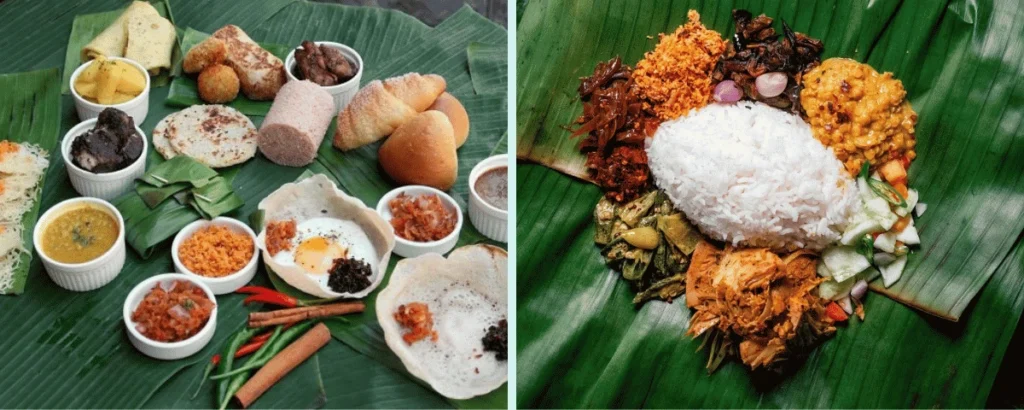
A visit to the East Coast is also a culinary journey.
The region’s food reflects the cultural diversity of eastern Sri Lanka, with Sinhalese, Tamil and Muslim culinary influences appearing in different towns and communities.
And, naturally, seafood plays a starring role.
Look out for:
Fresh fish curry: Freshly caught fish cooked with coconut milk or roasted spices.
Sri Lankan crab curry: Especially around Batticaloa, where lagoon crab is a celebrated local speciality.
Prawns & lagoon seafood : Fresh prawns and other seafood are often prepared with coconut, chilli, curry leaves and local spices.
Kottu roti: A Sri Lankan street-food favourite made by chopping roti together with vegetables, egg, meat or seafood.
Hoppers : Crispy-edged fermented rice-and-coconut pancakes, often served with curry and sambols.
String hoppers
Fine steamed rice-flour noodles traditionally enjoyed with curries and coconut sambol.
Tamil-style cuisine: Around Trincomalee and Batticaloa, look for distinctive Tamil dishes, spice combinations and vegetarian meals.
Muslim-influenced dishes: In eastern towns, you’ll also encounter biryani, meat curries and other dishes reflecting the region’s Muslim culinary heritage.
For a high-end article, I would avoid describing East Coast food simply as “spicy.” Instead, talk about its depth of flavour, fresh ingredients, coconut, roasted spices, seafood and cultural influences.
The Best Things to Do on Sri Lanka’s East Coast
Snorkelling at Pigeon Island
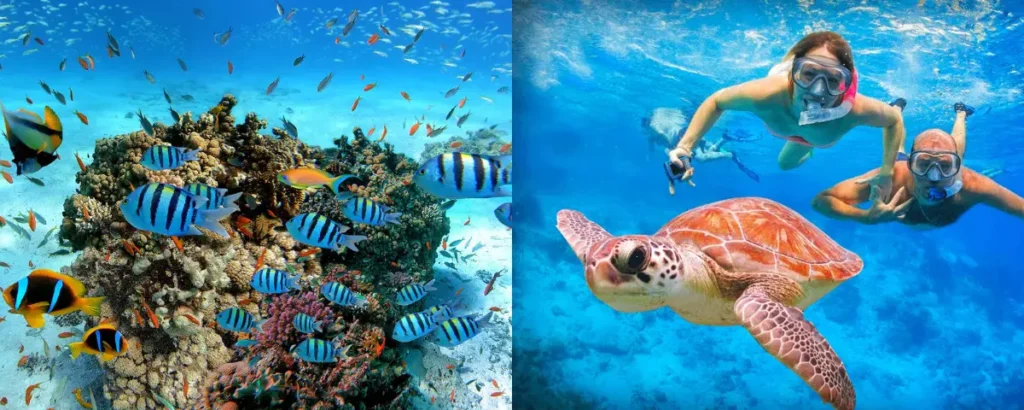
For many travellers staying around Trincomalee and Nilaveli, Pigeon Island is a highlight.
The national park protects coral reef habitat and is known for colourful reef fish, corals, turtles and blacktip reef sharks in the shallow waters.
The island is reached by boat from Nilaveli.
Best for: snorkelling, marine life and photography.
Whale Watching from Trincomalee
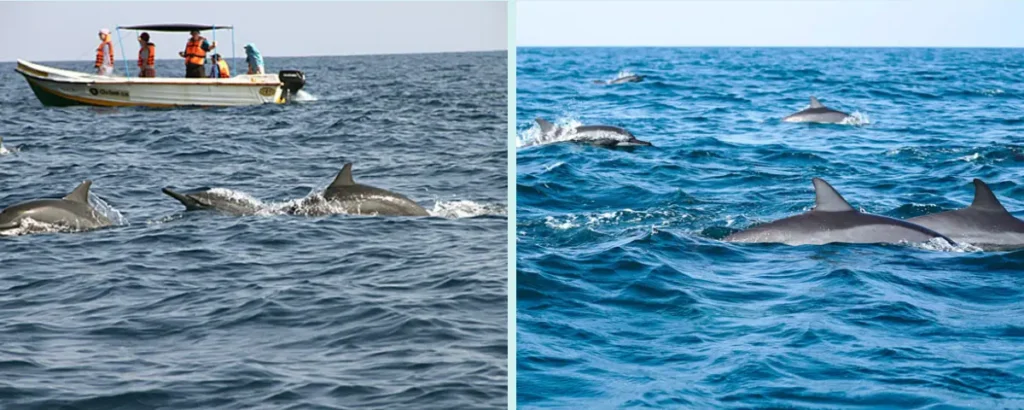
The waters around Trincomalee are an important whale-watching area, with opportunities to encounter large marine mammals and dolphins.
Sri Lanka Tourism lists whale watching among Trincomalee’s principal attractions.
Important: Wildlife sightings can never be guaranteed, and responsible operators should respect appropriate distances from marine animals.
Explore Koneswaram Temple
Perched dramatically above the sea, Koneswaram Kovil is one of Trincomalee’s most important cultural landmarks.
The location combines religious significance with spectacular views over the Indian Ocean.
It is particularly beautiful in the early morning or late afternoon.
Discover Fort Frederick
Trincomalee’s historic Fort Frederick reflects the strategic importance of this natural harbour through centuries of Portuguese, Dutch and British influence.
Today, visiting the fort provides an interesting contrast to the area’s beaches and resorts.
Visit Kanniya Hot Springs
Just outside Trincomalee, Kanniya is known for its series of hot-water wells and is another interesting stop when exploring the region.
Go Surfing at Arugam Bay
If Nilaveli is about slowing down, Arugam Bay is about catching a wave.
The area has developed an international reputation for surfing, with several breaks around the bay and surrounding coastline.
Best suited to: surfers, beginners taking lessons, active travellers and those who enjoy a relaxed beach-town atmosphere.
Take a Safari
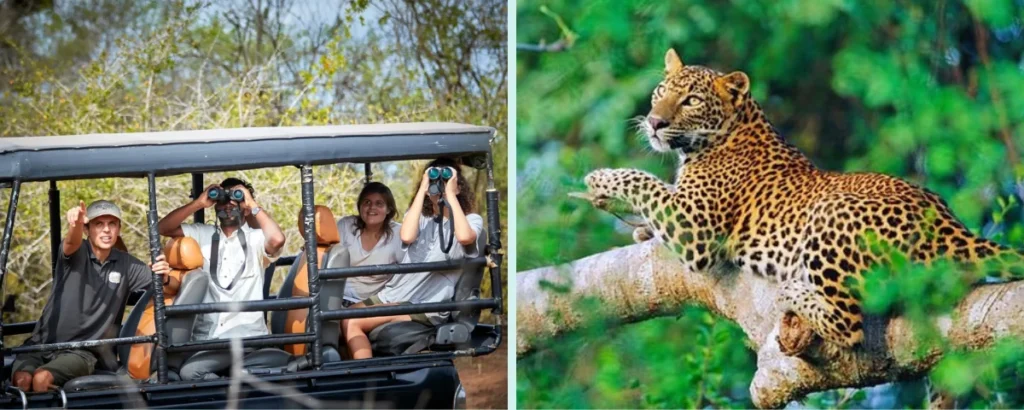
One of the East Coast’s greatest advantages is that beach and wildlife can be combined in the same holiday.
Around Arugam Bay, travellers can explore Kumana National Park, while other wildlife areas are accessible from different sections of the eastern coastline.
This creates an excellent combination:
Beach in the morning → wildlife in the afternoon → seafood dinner by the ocean.
Explore Batticaloa Lagoon
Batticaloa offers a different side of the East Coast.
Its lagoon, fishing communities, colourful culture and historic character make it an excellent stop for travellers who want to go beyond beaches.
This is where we would recommend spending time with local communities, exploring the lagoon and experiencing the food culture rather than simply passing through.
Where to Stay: East Coast Accommodation
The East Coast now offers everything from small guesthouses and boutique beach hotels to sophisticated luxury resorts.
For Trincomalee & Nilaveli
For travellers looking for an established beachfront resort, Trinco Blu by Cinnamon is a strong option, with direct beach access and ocean-facing accommodation.
For a more secluded luxury experience, Uga Jungle Beach near Kuchchaveli is particularly interesting. Its accommodation is integrated into a natural setting of jungle, lagoon and beach, with private cabins and a strong emphasis on privacy.
For Pasikuda
Amaya Beach Pasikudah is one of the better-known full-service resort options, offering beachfront accommodation, spa facilities, restaurants and a broad range of water activities.
For Arugam Bay
For travellers seeking something quieter and more boutique, Jetwing Kottukal Beach House in Pottuvil is an appealing option. It has only a small collection of ocean-facing rooms and chalets and is positioned close to Arugam Bay while offering a more secluded atmosphere.
Our advice for choosing accommodation
Don’t choose your hotel purely by its star rating.
On the East Coast, location matters enormously.
Ask:
- Is it directly on the beach?
- Is the beach suitable for swimming during my travel dates?
- How far is it from the main attractions?
- Do I want a secluded resort or a lively beach town?
- Is the hotel suitable for children?
- Does it have a good pool for days when the sea is rough?
- Can the hotel arrange boat trips and activities?
Which Part of the East Coast Should You Choose?
Choose Nilaveli if:
You want beautiful beaches, swimming, snorkelling and a peaceful atmosphere.
Choose Uppuveli if:
You want a beach holiday with restaurants and easy access to Trincomalee.
Choose Pasikuda if:
You want a luxurious resort holiday, calm shallow water and relaxation.
Choose Kalkudah if:
You want a quieter alternative to Pasikuda.
Choose Arugam Bay if:
You love surfing, cafés, beach culture and adventure.
Choose Batticaloa if:
You want culture, lagoons, seafood and a more authentic local experience.
Combine them if:
You have 8–12 days or more and want to experience several sides of the East Coast.
How Many Days Do You Need?
For a short beach escape:
3–4 nights
Choose Nilaveli/Trincomalee or Pasikuda.
For a more complete experience:
5–7 nights
Combine Trincomalee + Pasikuda or Pasikuda + Arugam Bay.
For an extensive East Coast journey:
8–12 nights
Consider:
Trincomalee → Nilaveli → Pasikuda → Batticaloa → Arugam Bay → Kumana
This allows enough time to enjoy the coastline rather than spending every day travelling.
Why Choose the East Coast?
Sri Lanka’s East Coast isn’t simply an alternative to the south.
It has its own personality.
It is where mornings begin with spectacular sunrises, where fishing boats still form part of the landscape, where lagoons meet the ocean, where Tamil and Muslim traditions enrich the island’s culture, and where some of Sri Lanka’s most beautiful beaches remain remarkably spacious.
It is also a coastline where luxury and authenticity can coexist.
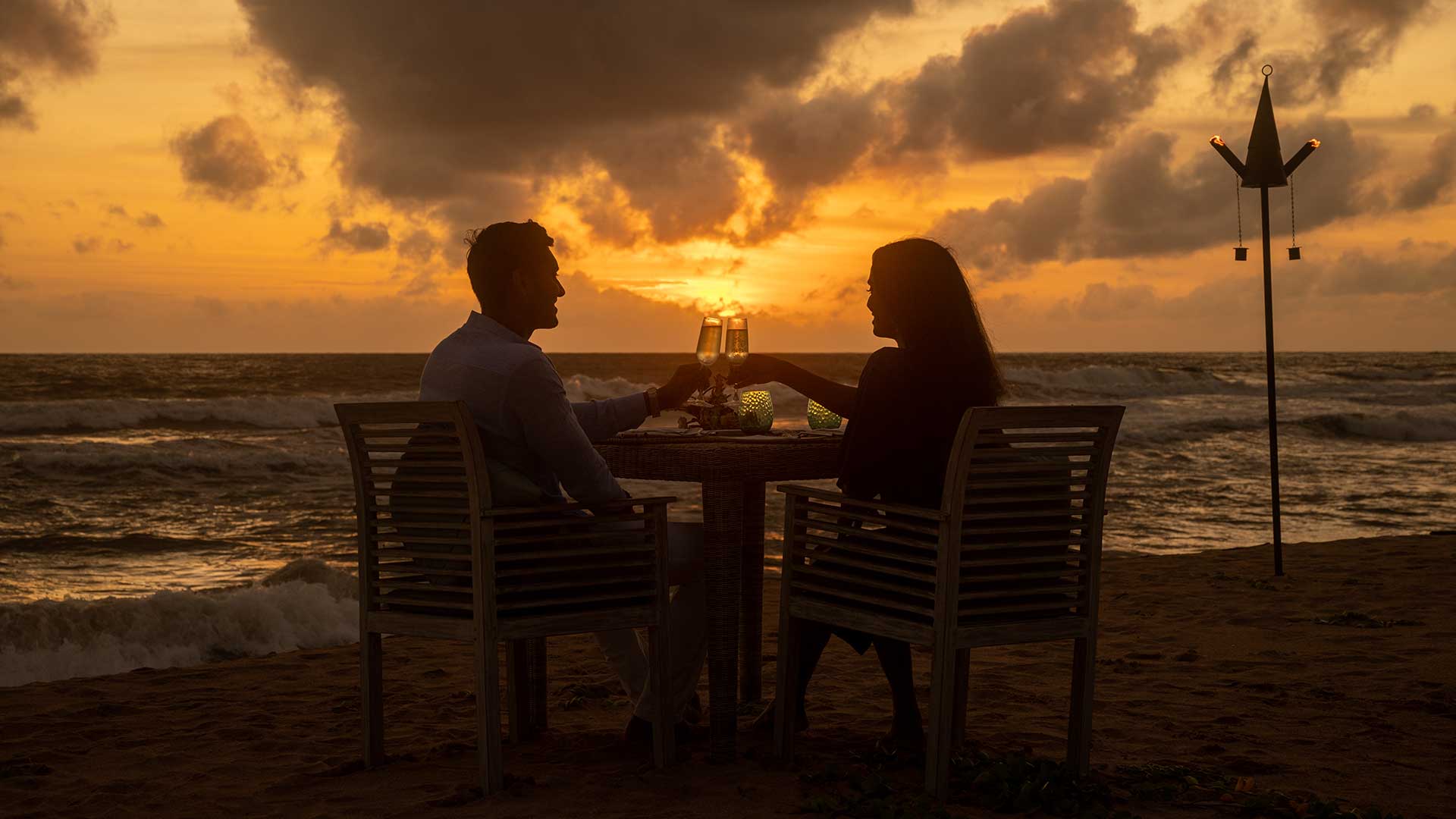
You can spend one night in an elegant beachfront resort, snorkel among tropical fish the next morning, eat freshly prepared seafood for lunch, visit an ancient temple in the afternoon and finish the day watching the sun disappear behind the palms.
That is the appeal of Sri Lanka’s East Coast.
And for travellers visiting between May and September, it can be one of the finest beach regions on the island.
The Off2SriLanka Recommendation
For our clients, we don’t recommend treating the East Coast as simply a place to “stay at the beach.”
The greatest experience comes from combining beaches + culture + wildlife + food + local life.
A well-designed East Coast journey could include:
Trincomalee – Koneswaram Temple, Fort Frederick & local culture
↓
Nilaveli – beach relaxation & Pigeon Island
↓
Pasikuda – luxury beachfront relaxation
↓
Batticaloa – lagoon, culture & local food
↓
Arugam Bay – surfing, cafés & coastal adventure
↓
Kumana – wildlife safari
This is the kind of journey that turns a beach holiday into a true Sri Lankan experience.